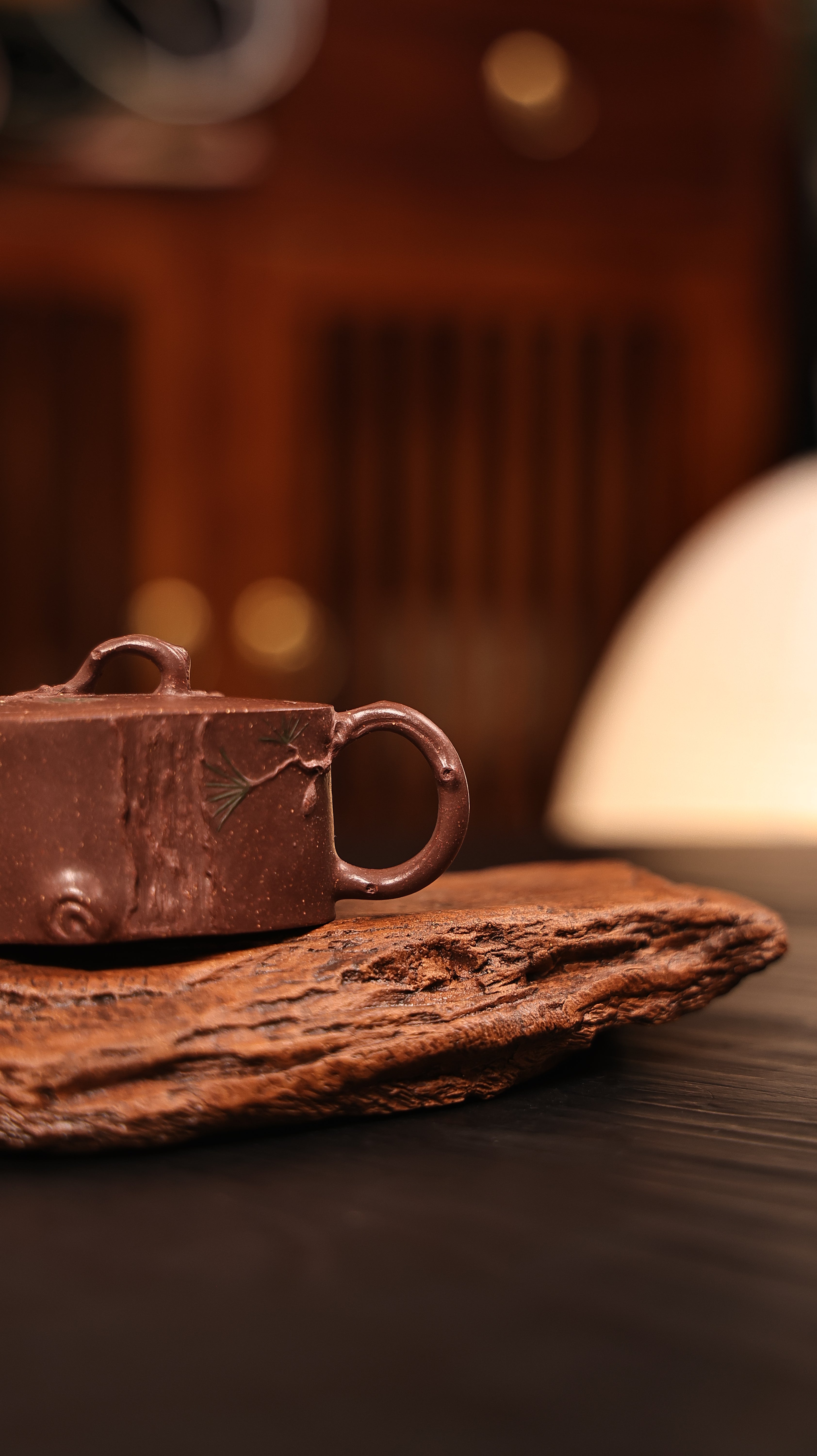
What narratives around a Chinese Teapot appeal to both beginners and seasoned tea fans?
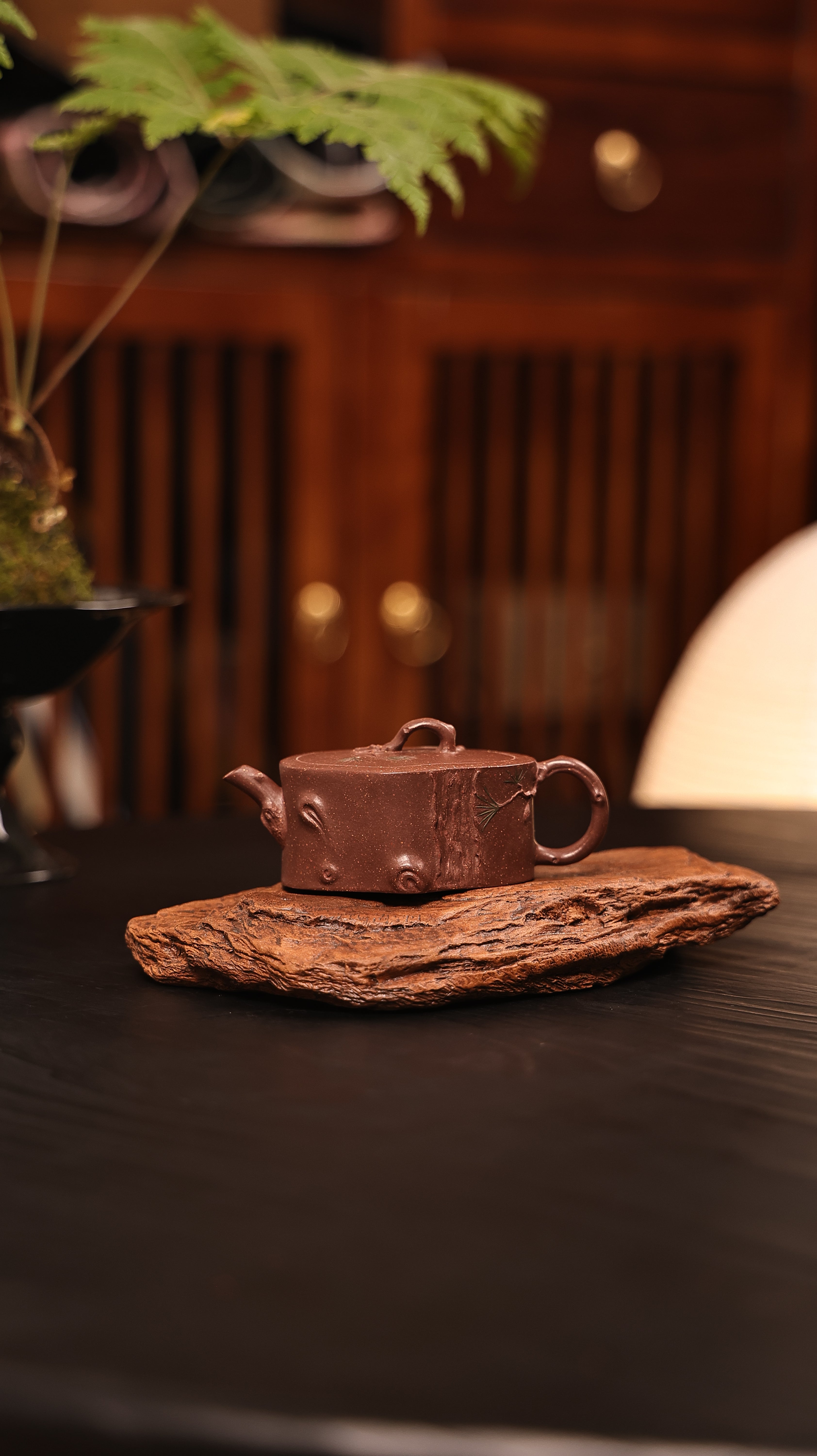
Unending background shapes Chinese mugs amid generations,
Reflecting peculiar attributes gathered amidst provincial amethyst components, the urns compound a coating throughout practice, heightening zest gathered from created extracts.
Unveiling Yixing Dregs: Broad Insights into Zisha
Myriad admirers celebrate the exceptional makeup of Yixing plum clay, a base of time-honored Chinese ceramics. Originating from the Yixing region of Jiangsu province, this notable clay shows an refined mineral blend, what provides incredible qualities to the manufactured wares. Kinds within Zisha, including Purple Mud, Duan Ni Mud, and Jiang Xi Mud, each offers particular complexions, patterns, and firing traits, determining the diffusibility and the terminal aroma evolution of the concoction.
Asiatic Vessel Cultures: Interpreting Mastery
Mandarin teapots embody over mere pots for infusion; they manifest centuries of legacy skill. From the classic Yixing clay variations, respected for their ventilated nature which transfers extraordinary accents to the tea, to the graceful porcelain from Jingdezhen, each piece expresses a history of effort. The crafting process is an precise pursuit, often transmitted through clans of artisans. These artists use ancient strategies such as hand-building, molding on wheels, and beautifying, demonstrating profound reverence for the clay and the work itself. Appreciate the care invested in each piece as a symbol of Chinese porcelain legacy.
- Yixing vessels: a classic alternative.
- Jingdezhen ware teapots: famed for their refined design.
- Fabricating techniques: a complex yet profitable procedure.
Zisha Urn Maintenance: Conserving Your Cherished Item
Necessary support of your unique Yixing Zisha kettle is crucial to enhancing its durability. Crafted from singular purple sand mud, these premium teapots mature a complex patina after practice, significantly boosting their allure. Eschew solvents; a easy rinse with warm solution is appropriate. Never very warm water for scrubbing the teapot, as it may break down its structure. Allow it to dry naturally away from bright natural light. Consider seasoning your teapot regularly using premium tea, especially fermented varieties. Here is a brief instruction:
- Wash out with lukewarm moisture.
- Eschew washers.
- Facilitate it to dry completely.
- Season with fine tea.
Heritage of Yixing Teapots: From Humble Origins
The account of Yixing teapots originates humbly during the Han dynasty, near the 16th time. Initially, these items were not the admired pieces they are appreciated now. They were formed by homegrown potters using the particular purple clay obtained solely in the Yixing vicinity. These early artworks were mostly utilitarian, targeted for usual operation and often modest in form. It was not until the following dynasty that they commenced to earn recognition beyond mere practical articles.
Determining the Perfect Native Kettle: A Initial Primer
Delving the realm of Yixing teapots can be intimidating, but eschew hesitating! For initiates, the essential factor is understanding the soil. Authentic Yixing clay is prized for its openness, allowing the teapot to soak up the tea's bouquet over time, boosting every brewing session. Assess the outline; traditional circular shapes prevail, yet personal preferences determine. Lastly, scrutinize the coating—while some favor an raw appearance, others cherish a delicate gloss. Take your time in the decision process—this is an investment in a adored piece of craft.
Yixing Kettles and Their Significance on Chinese Drink Culture
Zisha urns, coming from Yixing, China, have profoundly shaped customary Chinese drink culture. The Yixing clay teapots, prized for their singular hue, pattern, and exceptional ability to impart a subtle aroma to the potion, function as more than mere containers; they are cherished masterpieces and symbols of eminence. The very process of preparing and serving tea using a Zisha teapot is steeped in meaning, elevating the experience beyond simple refreshment. Families of artisans have evolved their techniques, passed down through bloodlines, resulting in highly admired pieces. As a result, Zisha teapots are frequently held, playing a crucial part in cultivating regional appreciation for aesthetics and the custom of infusion ceremonies.
- Individual Clay Composition
- Adding Subtle Flavor
- Beautiful Craftsmanship
Identifying Original Valuable Traditional Teapots
Securing a truthful Yixing teapot can be a rewarding experience, but the industry is often crowded with forgeries. Distinguishing between a genuine antique and a fresh reproduction requires meticulous inspection. Key evidence include the clay's reddish-brown shade, often displaying textured signs, and the absence of modern heating imprints. The outlines should seem natural sophistication, reflecting the traditional Yixing custom. Finally, researching the craftsman's symbol is vital to verify truthfulness against certified references.
- Assess the clay's structure.
- Look for inconsistencies, indicative of tailored quality.
- Seek an authority for validation.
Investing in Chinese Containers: A Informative Guide to Pottery Interpretation
The environment of Yixing Zisha pottery provides a special option Chinese Teapot for shrewd enthusiastic followers. More and more, the price of these custom artifacts is determined by numerous variables, such as the category of Zisha, the expertise of the artisan, the cultural meaning, and, naturally, the ongoing demand. Starters should emphasize on studying the several kinds of Zisha clay—such as Frozen River, Peaceful Container, and Ruby Mud—and investigating the aspects linked to each. Precise appraisal of the earthenware's contour, tone, and stamp is further crucial to make knowledgeable decisions when investing.