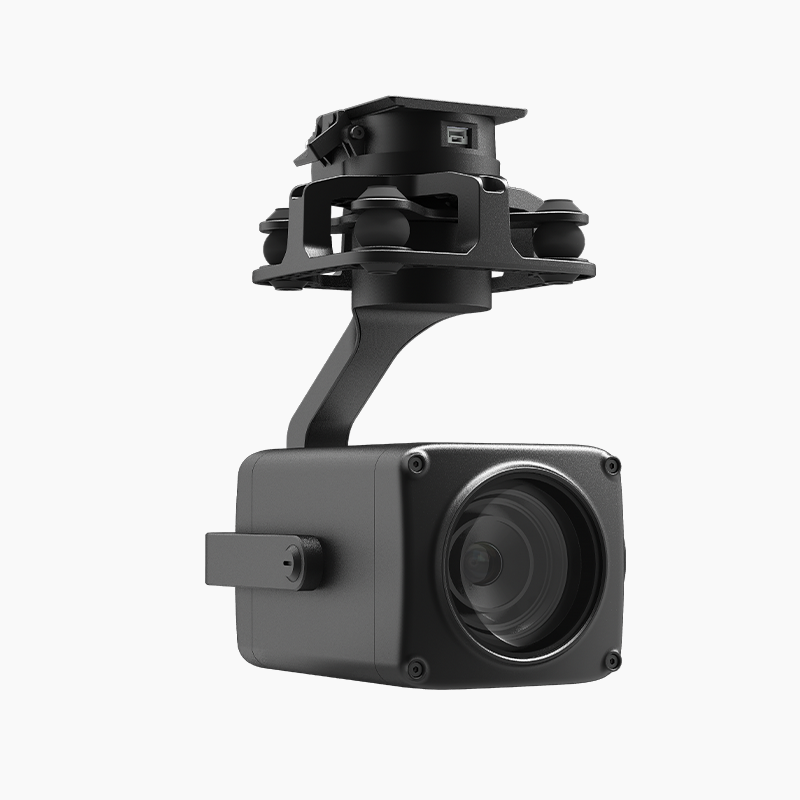
Is investing in redundant uav gimbals a wise move for mission‑critical fleets?
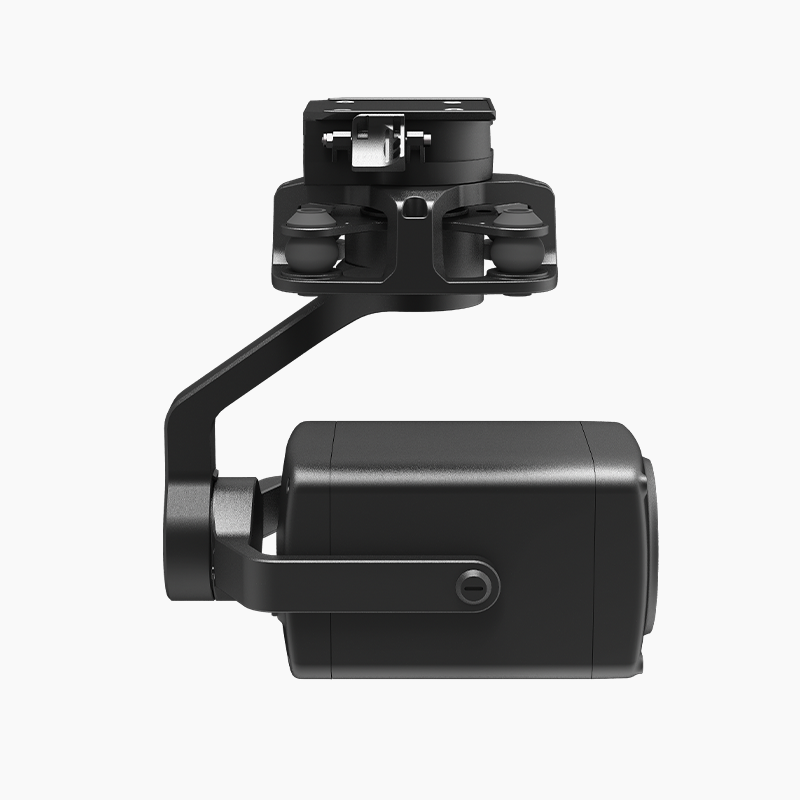
Hello to such comprehensive analysis about supporting techniques together with thermal imaging vision by unmanned machines.
Dampener Features regarding Airborne Unit Imaging Improvements
Airborne machines are observing remarkable innovations in camera technology. High-precision gimbal platforms now grant incredibly balanced footage, notwithstanding turbulent scenarios. Furthermore, the integration of thermal imaging offers expanded opportunities for evaluation in fields like crop-monitoring, furnishing valuable information beyond what traditional light cameras can collect. These blended technologies are considerably modifying the territory of aerial photography.
Peering into the Darkness: UAV Optics with Dark-View & Balancing Mechanisms
The up-to-date landscape of unmanned aerial machines is being refined by advancements in camera specifications. Precisely, the combination of night vision configurations and complex gimbal designs allows for unprecedented resolution during nighttime engagements. These mighty cameras, often utilizing infrared systems, can expose darkness, providing crucial inputs for guarding purposes. Simultaneously, the gimbal apparatus steadily minimizes jitter, resulting in distinctly steady footage even in difficult conditions. Aspects like clarity and refresh rate are increasingly paramount for superior capability.
- Boosted Contextual Perception
- Higher Radius of Service
- Thorough Imagery Gathering
UAV Camera Study: Supporting, Temperature Detection, Zoom & Shadow Perception
Selecting the best drone camera represents a demanding judgment. Consider the several forms available: stabilized systems yield smooth, top-notch footage; heat cameras achieve in dim conditions by revealing heat marks; telephoto lenses allow you to extend distant subjects; and evening vision technologies utilize specialized platforms to get imagery in minimal light. The most suitable blend rests on the planned task.
This Advancing of Pilotless Camera Platforms: Combining Thermographic & Low-Light Observation
Typically, Remote-Controlled systems dedicated on standard light observation. But, progressive applications in areas especially search & emergency compel expanded input data. Incorporating thermal sensors alongside dark vision capacities delivers users a major perk, enabling pilots to micro gimbal camera perceive targets covered from usual light. That collaboration significantly boosts tactical potency across a broad array of functions.Steadiness Integrity Amalgamates with Thermal Vision: A Revolutionary Era for UAV Imaging
Certain modern epoch dedicated to robotic monitoring has, propelled using these collaboration of cutting-edge steadiness solutions plus sharp heat-sensing vision. These pairing permits pilots in order to collect better thermal metrics through pilotless craft, while coping with problematic surrounding conditions, unlocking new scopes along countless branches particularly evaluation, reclamation in addition to precision farm management.
Flying System Camera Telephoto Capabilities: Coordinating Length & Shadow Viewing
Advancements in Pilotless Device technology are constantly enhancing camera focus adjustment performance, but a key challenge involves balancing scope and shadow detection. Extending that variable focus to view far-off objects often compromises shine sensitivity, bringing about clear gloomy perception difficult. Builders are studying advanced approaches, like advanced visual blueprints and processing upgrades, to diminish noted drawback and deliver well-defined imagery at diverse ranges, even under unfavorable luminosity circumstances.
Identifying this Appropriate UAV Photography Equipment: Dampening, Heat, & Long-Range Criteria
As assessing an UAV imaging system, different critical issues are required to be evaluated. Such balanced balancing device is crucial for balanced skyborne video , chiefly in windy scenarios. Infrared modules offer essential perspective for functions like inspection and aid operations. Finally, telephoto capability capabilities facilitate sharper perspectives of features, although amplified close-up lens usually leads to reduced photographic focus and necessitates heightened shine.
{Night Vision UAV Cameras: Advanced Guarding with Gimbal Bracing
Innovative pilotless aircraft are innovating security procedures with the implementation of night vision apparatuses. Notably, supporting framework grants exceptional stability for the camera apparatus, granting clear clips even in turbulent conditions or during navigation. This function dramatically raises monitoring performance and offers a paramount asset for departments and other groups requiring trustworthy nighttime surveillance.
High-tech Autonomous Detection Frameworks: Combining Zoom Infrared & Dark Sensing
Modern autonomous flyers are progressively equipped with state-of-the-art camera packages that outshine basic observation. These advanced solutions customarily embed a conflation of robust technologies, consisting of variable focus capabilities for thorough inspection, thermographic imaging to locate heat traces, and low-light vision capabilities to permit operation in difficult visibility. This synergy provides pilots with a key lead in numerous areas, from crisis management to structural surveys and safety inspection.